
Empower Yourself with Kickboxing: Strength, Cardio & Confidence for Women in Northglenn
Empower Yourself with Kickboxing
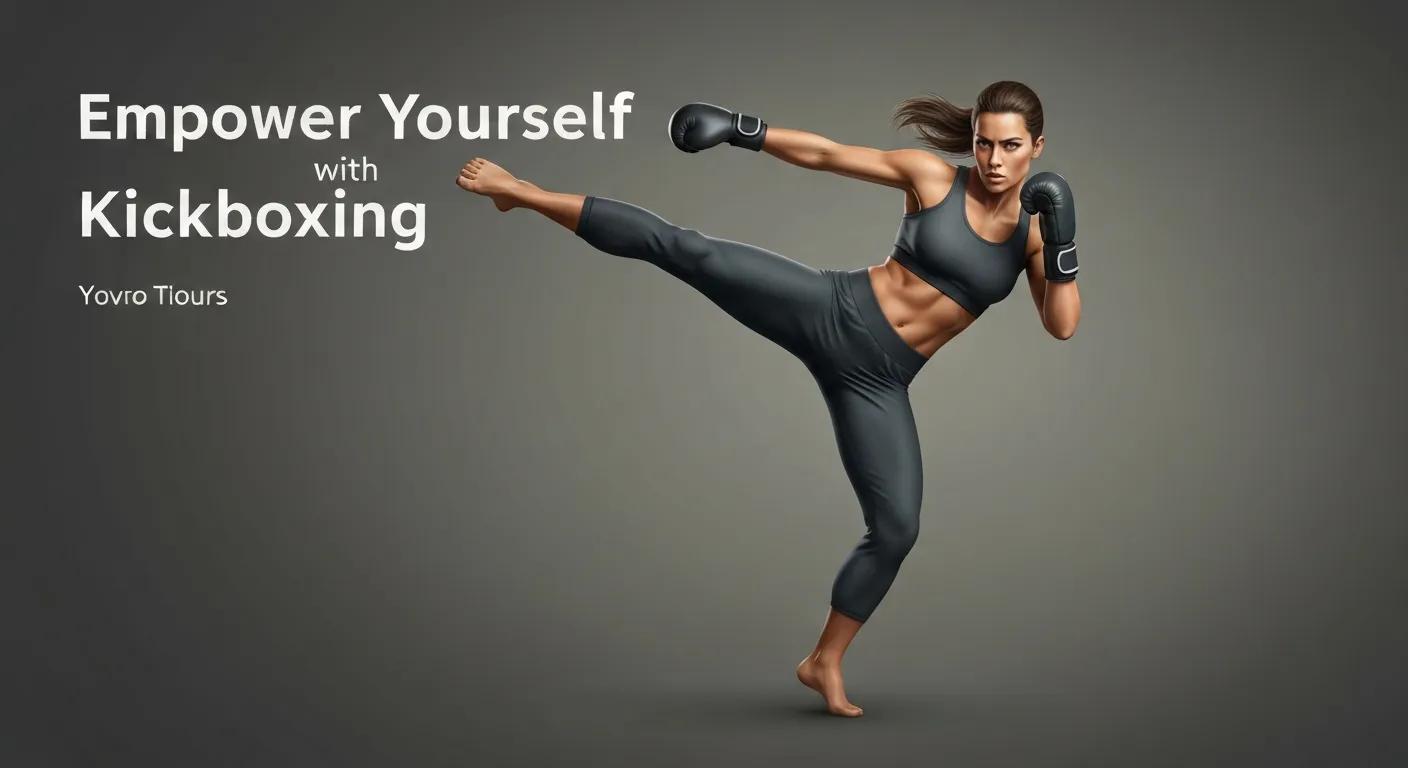

Women's kickboxing in Northglenn blends striking technique, cardio intervals, and practical self-defense training into group classes designed to develop physical capability and mental resilience. This article explains how women's kickboxing builds functional strength, elevates cardiovascular fitness through high-intensity intervals, and fosters confidence and situational awareness for daily life. Many local women seek workouts that deliver measurable fitness outcomes while also teaching practical skills; kickboxing answers that need by combining progressive skill development with conditioning that translates to strength and endurance gains. Below you will find a clear exploration of the core benefits, a step-by-step guide for beginners on joining classes, local scheduling and pricing cues, coach profiles emphasizing supportive instruction, and an actionable review of self-defense techniques taught in class. Throughout the piece we reference how Grinders Fitness Gym supports women's kickboxing in Northglenn as a concrete example of a community-focused program, while keeping the topic-first perspective to help you evaluate whether kickboxing meets your fitness and safety goals.
What Are the Key Benefits of Women's Kickboxing in Northglenn?
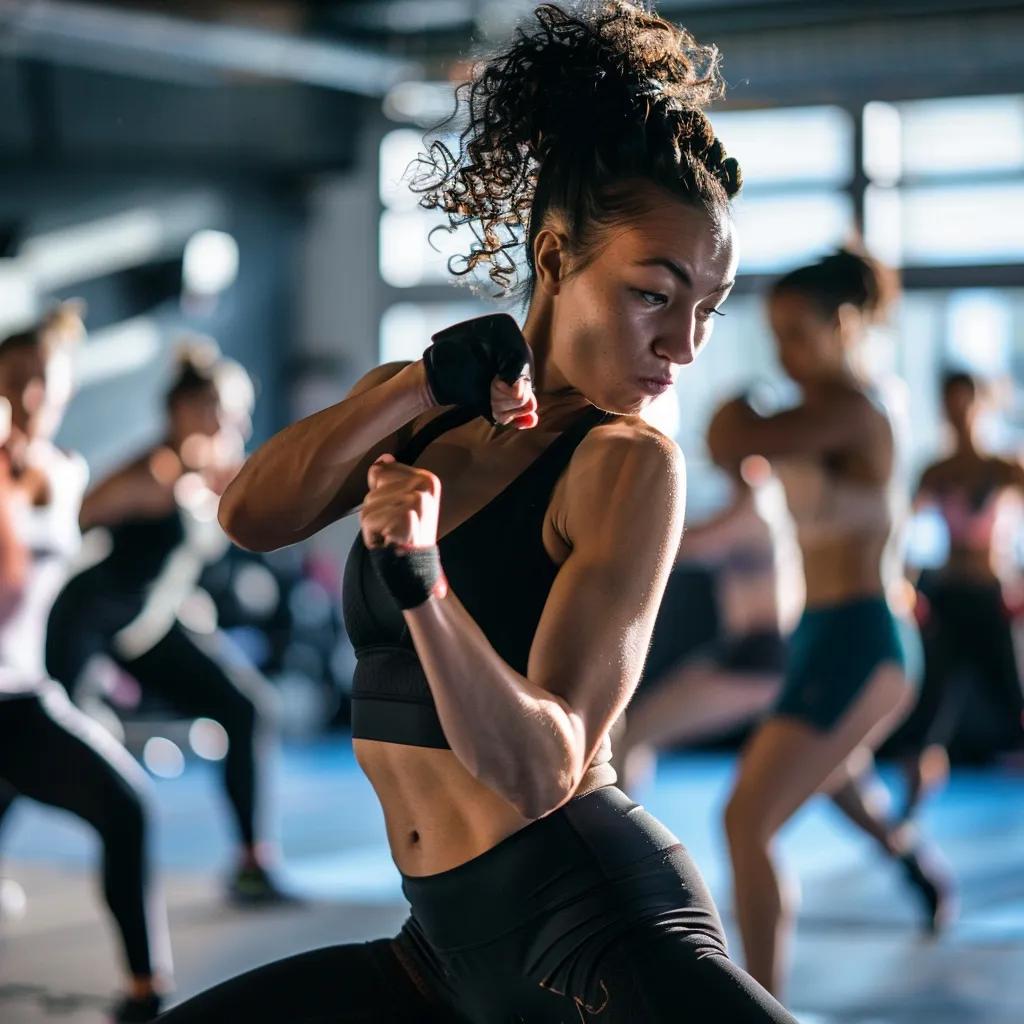
Women's kickboxing delivers three primary benefits at once: improved functional strength through resistance-style striking, substantial cardiovascular conditioning via interval work, and increased confidence from skill mastery and self-defense training. The training mechanism couples repeated striking and bodyweight resistance with explosive intervals, which enhances muscular endurance and cardiovascular capacity and yields measurable fitness gains over weeks. Local programs emphasize skill progression and community support, which amplifies behavior change and long-term adherence to exercise. Below is a concise comparison of how kickboxing targets strength, cardio, and confidence with mechanics and outcomes to help readers quickly scan the most important effects.
Women's kickboxing improves strength by integrating multi-planar movements and resistance through dynamic striking, which recruits lower-body, core, and upper-body muscles simultaneously. Typical drills like squat-to-kick sequences, repeated heavy-bag rounds, and partner pad work create progressive overload in a class setting without traditional weightlifting, promoting functional strength that helps daily tasks. Recent research and practitioner reports indicate that consistent bi-weekly training can lead to noticeable strength and tone improvements within 6–12 weeks, while continued practice refines technique and increases power. Understanding these mechanical drivers sets up why cardio intervals are so effective when combined with strike work.
Lionizing cardio through kickboxing, classes use interval structures that raise heart rate rapidly during rounds of strikes and brief recovery between sets, improving VO2 and caloric expenditure. A typical cardio-kickboxing session alternates 2–4 minute high-intensity striking rounds with one-minute recovery phases, mirroring HIIT protocols that drive cardiovascular adaptation and fat loss. This interval approach improves cardiovascular efficiency while keeping sessions engaging and varied, and many participants report increased stamina for daily activities and other sports within a month of regular attendance. Recognizing how interval structure affects fitness helps clarify why combining strength and conditioning in the same session optimizes overall results.
Confidence growth in kickboxing stems from skill acquisition, progressive challenge, and supportive group dynamics that normalize learning and minimize intimidation. Learning basic escapes, effective strikes, and distance management builds a toolkit of actionable responses that translate to perceived safety and self-efficacy outside the gym. Psychological benefits are reinforced by endorphin release from high-intensity exercise and by repeated, guided practice that converts conscious technique into more automatic responses. These mental gains often become the strongest motivator for continued participation, which in turn sustains the physical benefits described above.
For women in Northglenn who want to experience these benefits firsthand, Grinders Fitness Gym offers a women's kickboxing program structured to reinforce safety, progressive skill-building, and a supportive class culture. The gym's women-only and beginner-friendly class formats are designed to help participants realize strength and cardio improvements while practicing practical self-defense in a team atmosphere. This local example illustrates how program design translates the topic-level benefits into real-world outcomes for community members.
How Can Beginners Join Women's Kickboxing Classes at Grinders Fitness Gym?
Joining a women's kickboxingclass as a beginner follows a clear, low-barrier path that emphasizes safety, orientation, and gradual skill progress. New participants typically sign up for a trial or introductory session, receive a brief orientation to class flow and safety protocols, and start in a beginner-level class with technical focus before progressing to higher-intensity sessions. Grinders Fitness Gym structures its onboarding to ensure coaches adapt drills to individual ability, reinforcing fundamentals before increasing load or pace. Below is a practical step-by-step checklist that helps first-timers understand the enrollment and first-class experience.
Book a trial or introductory class to confirm fit and learn facility procedures.
Complete any required health waivers and arrive 10–15 minutes early for orientation.
Expect a structured class: warm-up, fundamentals (stance and basic strikes), controlled pad/bag work, conditioning, and cool-down.
Ask coaches for modifications; they will scale drills to match your fitness and experience.
This checklist explains the logistical flow and intended coaching support that make beginner classes accessible. When you follow these steps, you enter a progression system focused on competency, safety, and steady fitness gains that lead into longer-term training goals.
What to expect in a beginner women's kickboxingclass centers on fundamentals and safety while maintaining an energetic pace that builds fitness. Instructors introduce stance, basic punches and kicks, and partner pad work in short, repeatable drills that create motor learning without overwhelming novices. Classes include progressive conditioning elements—such as bodyweight circuits or short interval rounds—that develop stamina alongside technical skills, and coaches emphasize proper alignment and gradual intensity increases to minimize injury risk. Knowing this structure helps newcomers prepare mentally for a learning-first environment rather than immediate high-intensity performance.
What you bring and how to prepare for your first kickboxing session affects comfort and safety, and a simple checklist reduces barriers to entry. Bring basic athletic apparel that allows movement, indoor training shoes or barefoot depending on facility policy, hand wraps or gloves if you have them, a water bottle, and a towel. Hydration and light carbohydrate intake before class improve performance, and arriving early allows time for orientation and any required paperwork. Preparing these items helps you focus on learning technique and engaging fully with the class experience.
Grinders Fitness Gym's beginner-friendly enrollment is designed to convert curiosity into consistent practice by making the first steps simple and supportive. Their onboarding emphasizes technique, coach feedback, and class pacing that suits novice members while offering clear progression paths for those who want to advance. To reserve a trial or learn class times, prospective participants are encouraged to use the gym's online booking tools or contact the front desk for assistance, which streamlines the transition from interest to participation.
Where and When Are Women's Kickboxing Classes Held in Northglenn?
Understanding schedule, class types, and booking options helps you integrate kickboxing into a weekly routine and evaluate time and cost commitments before you start. Classes in Northglenn commonly run across beginner and intermediate levels, with typical session durations between 45 and 60 minutes to balance skill work and conditioning. Many community-focused gyms offer trial classes, drop-in options, and membership tiers that include unlimited access or multi-class packages; these models let newcomers test fit before committing. The table below gives a scannable comparison of common class types, durations, and trial availability so you can quickly identify options that match your schedule and budget preferences.
Beginner Women's Kickboxing(45–60 minutes, 1–3× weekly)
Trial classes commonly available
Cardio Kickboxing Session(45 minutes, interval focus)
Drop-in and package options typical
Advanced Women's Kickboxing(60 minutes, technique & sparring)
Membership tiers often include access
This comparison shows standard offerings and the typical availability of trial or drop-in formats rather than exact prices, enabling readers to shortlist the options that fit their lifestyle. Knowing these categories clarifies how to prioritize class types for your goals, whether strength, cardio, or skill development.
A concise schedule snapshot and booking guidance helps convert planning into action, and many local gyms publish rotating class calendars to accommodate working hours and weekend availability. For practical planning, aim to book two to three classes per week to build a consistent stimulus for strength and cardio improvements, and use trial classes to confirm coaching style and class culture. Grinders Fitness Gym offers trial booking and structured beginner pathways to help new members integrate smoothly into regular training. To secure a spot, plan to use the gym's online booking or speak directly with staff for the most current class schedule and membership options.
Summary planning matters because routine determines results: consistent attendance, progressive overload, and coach feedback drive measurable gains. Choosing class types that match your schedule and committing to a simple frequency plan—such as two classes per week for 8–12 weeks—creates a timeline for observable improvements in strength, endurance, and confidence. Clear scheduling and accessible booking reduce friction and increase the likelihood you will maintain training and achieve the outcomes described earlier.
Who Are the Expert Coaches Leading Women's Kickboxing at Grinders Fitness Gym?
Experienced instruction matters because technique, safety, and progression are coach-guided outcomes in kickboxing programs. Coaches function as technical teachers, conditioning coaches, and safety monitors who adapt drills for different life stages and fitness levels while fostering a supportive class culture. While individual coach biographies vary, the following table outlines common instructor attributes and how those attributes translate into value for women seeking kickboxingtraining in a community setting.
Lead Coach(Emphasizes technical fundamentals and class progression)
Ensures safe skill progression and structured learning
Assistant Coach(Supports individualized adjustments and partner drills)
Provides hands-on feedback and injury prevention cues
Class Specialist(Focuses on cardio intervals and self-defense scenarios)
Builds conditioning and practical situational skills
Presenting instructor roles in this way highlights how a coaching team distributes responsibilities to deliver both fitness and safety outcomes. These profiles avoid specific claims while showing how coaching structure supports measurable progress for women at different starting points.
What are the qualifications and experience of female kickboxing instructors is often less important than how they teach and support members, but common expectations include competency in technique instruction, progress planning, and an ability to modify exercises for pregnancy, postnatal recovery, or older adults. Coaches who prioritize movement quality, individualized progressions, and clear verbal and hands-on cues create safer learning environments that accelerate skill acquisition. Asking about coaching approach—how progression is tracked, how technique feedback is delivered, and how classes are adapted—helps prospective members assess fit with their needs.
Coaches at reputable community gyms emphasize supportive culture, clear progressions, and real-world application through scenario practice and partner drills that translate to confidence outside the gym. They combine technique coaching with conditioning programming, using repetition and variation to convert conscious skills into reflexive responses. This coach-led approach aligns with evidence that skill-specific practice plus conditioning improves both performance outcomes and perceived self-efficacy, which is central to women's interest in kickboxing.
Grinders Fitness Gym's coaching model is cited as an example of team-based instruction that balances fundamentals, conditioning, and practical safety practice to support women's goals. Prospective members should inquire about class size, coach-to-participant ratios, and how coaches document progress, since those factors influence learning speed and safety. These pragmatic coaching details help you choose a program that matches your learning preferences and performance targets.
How Does Women's Kickboxing at Grinders Fitness Gym Empower Self-Defense Skills?

Women's kickboxing programs teach a set of high-utility techniques and decision-making strategies that emphasize escaping danger, striking effectively, and maintaining distance—skills that improve real-world safety and confidence. The curriculum typically pairs technical drills (stance, basic strikes, escape mechanics) with scenario practice that builds situational awareness and automatic responses under stress. Practicing these techniques in a conditioned setting strengthens both the motor patterns and the psychological readiness to apply them if necessary. Below are concise examples of techniques commonly taught and the learning outcomes associated with each.
Basic strikes and combinations: Teaches clear, powerful punches and kicks that create space and deter aggression.
Escape mechanics and balance recovery: Focuses on rolling off grips and regaining footwork for quick exits.
Distance and timing drills: Develops the ability to keep safe range and use movement to avoid contact.
These examples demonstrate how technical skill practice translates into practical responses; repetition converts deliberate techniques into faster, more automatic actions. Practicing under guided pressure also helps trainees manage adrenaline and make clearer decisions in stressful situations.
What self-defense techniques are taught in women's kickboxing classes emphasizes simplicity and high utility—movements that are easy to learn and difficult to block for untrained aggressors. Instructors prioritize stance and base, quick strikes to vulnerable areas, and escape-first tactics that enable avoidance or exit rather than prolonged fighting. Training focuses on repetition and partner-controlled scenarios that simulate real-world pressure without unnecessary risk, fostering both competence and confidence.
Kickboxing enhances personal safety and confidence by combining conditioning with technique; better-conditioned individuals can deliver forceful responses and sustain movement to escape a threat. Beyond physical skill, classes teach situational awareness cues and verbal strategies that reduce the likelihood of escalation. Practicing these integrated skills two to three times per week enhances retention and the ability to perform under stress, making kickboxing both a fitness regimen and a practical self-defense training modality.
Grinders Fitness Gym integrates self-defense modules into its program structure to ensure skills are reinforced through regular practice and scenario exposure. Participants are encouraged to combine technique drills with cardio conditioning to ensure the physical capacity to apply skills when needed. This blended approach builds a durable combination of technique, fitness, and confidence that women report as the most valuable outcome of sustained training.
What Success Stories and Testimonials Highlight Women's Kickboxing Results in Northglenn?
Success stories and participant feedback illustrate measurable outcomes—greater strength, improved endurance, and increased confidence—that validate the program's structure and coaching approach. While individual experiences vary, aggregated results commonly reported by participants include improved core strength and posture, elevated cardiovascular endurance, and a marked increase in day-to-day confidence and perceived safety. Short vignettes or aggregated metrics help prospective members set realistic expectations about timelines and outcomes from consistent training.
How Northglenn women have improved strength, cardio, and confidence through kickboxing highlights program structure: progressive skill work, planned conditioning, and a supportive community that reinforces regular attendance. Measurable improvements derive from a combination of technique sessions that enhance mechanical efficiency and interval conditioning that drives cardiovascular adaptation. Tracking simple metrics—such as number of rounds completed, technique accuracy under fatigue, or perceived exertion—provides objective measures of progress that motivate continued participation.
What participants say about community and support often becomes the defining feature for long-term adherence: camaraderie, coach encouragement, and group accountability create an environment where members show up consistently and push through plateaus. Many programs host community events and peer-driven challenges that strengthen social bonds and create positive reinforcement loops for behavior change. For those seeking social support along with physical results, a women-centered kickboxing community provides both a training environment and a network that sustains progress.
If you want to share your own progress or read more first-hand accounts, look for local review platforms and the gym's testimonial resources, where participants describe their journeys and outcomes. These testimonies reinforce that measurable physical improvements and growing confidence are common outcomes of consistent attendance, quality coaching, and community support. The combined evidence suggests that women's kickboxing in Northglenn is an effective pathway to stronger bodies, healthier hearts, and more confident daily living.
Kickboxing Review: Profiles and Injury Epidemiology ABSTRACT: ENWEndNoteBIBJabRef, MendeleyRISPapers, Reference Manager, RefWorks, ZoteroAMASlimani M, Chaabene H, Miarka B, Franchini E, Chamari K, Cheour F. Kickboxing review: anthropometric, psychophysiological and activity profiles and injury epidemiology. Biology of Sport. 2017;34(2):185-196. doi:10.5114/biolsport.2017.65338.APASlimani, M., Chaabene, H., Miarka, B., Franchini, E., Chamari, K., & Cheour, F. (2017). Kickboxing review: anthropometric, psychophysiological and activity profiles and injury epidemiology. Biology of Sport, 34(2), 185-196. https://doi.org/10.5114/biolsport.2017.65338ChicagoSlimani, M, H Chaabene, B Miarka, E Franchini, K Chamari, and F Cheour. 2017. "Kickboxing review: anthropometric, psychophysiological and activity profiles and injury epidemiology". Biology of Sport 34 (2): 185-196. doi:10.5114/biolsport.2017.65338.HarvardSlimani, M., Chaabene, H., Miarka, B., Franchini, E., Chamari, K., and Cheour, F. (2017). Kickboxing review: anthropometric, psychophysiological Kickboxing review: anthropometric, psychophysiological and activity profiles and injury epidemiology, H Chaabene, 2017
Frequently Asked Questions
Are there any specific dietary recommendations for kickboxers?
While there are no strict dietary rules for kickboxers, a balanced diet can significantly enhance performance and recovery. It's recommended to consume a mix of carbohydrates, proteins, and healthy fats to fuel workouts and support muscle repair. Hydration is also crucial; drinking water before, during, and after classes helps maintain energy levels. Some kickboxers may benefit from light snacks, such as fruits or energy bars, before training to ensure they have enough energy. Consulting with a nutritionist can provide personalized dietary guidance tailored to individual fitness goals.
What should I expect in terms of progression in kickboxing classes?
Progression in kickboxing classes typically involves gradual increases in skill complexity, intensity, and conditioning. Beginners can expect to start with fundamental techniques and basic fitness drills, focusing on form and safety. As participants become more comfortable, classes will introduce more advanced strikes, combinations, and conditioning challenges. Many gyms, including Grinders Fitness Gym, emphasize tracking individual progress, allowing participants to see measurable improvements in strength, endurance, and technique over time. Regular attendance and practice are key to achieving personal fitness goals.
Can kickboxing help with weight loss?
Yes, kickboxing can be an effective workout for weight loss due to its high-intensity nature, which burns a significant number of calories during and after sessions. The combination of cardiovascular training and strength-building exercises promotes fat loss while preserving lean muscle mass. Additionally, the engaging format of kickboxing classes can help maintain motivation and consistency, which are crucial for long-term weight management. Participants often report improved body composition and increased energy levels as they progress in their training.
What are the common misconceptions about kickboxing?
Common misconceptions about kickboxing include the belief that it is only for those with prior martial arts experience or that it is overly aggressive. In reality, kickboxing classes are designed for all fitness levels, including beginners, and focus on skill development and personal growth in a supportive environment. Additionally, while kickboxing does involve striking, the emphasis is on technique, fitness, and self-defense rather than aggression. Many participants find it empowering and enjoyable, making it a positive fitness choice for women of all backgrounds.
How can I stay motivated to continue kickboxing long-term?
Staying motivated in kickboxing can be achieved through several strategies. Setting specific, achievable goals—such as mastering a technique or improving endurance—can provide a sense of purpose. Joining a supportive community, like the one at Grinders Fitness Gym, fosters accountability and encouragement among peers. Additionally, varying your routine by trying different class types or participating in challenges can keep workouts fresh and exciting. Regularly tracking progress and celebrating milestones also helps maintain motivation and reinforces the benefits of continued training.
How can kickboxing improve my mental health?
Kickboxing can significantly enhance mental health by providing a powerful outlet for stress relief and emotional expression. The high-intensity workouts release endorphins, which are natural mood lifters, helping to reduce anxiety and depression. Additionally, the focus required during training promotes mindfulness, allowing participants to clear their minds and concentrate on the present moment. The supportive community aspect of classes also fosters social connections, which can combat feelings of isolation and boost overall well-being.
How often should I attend classes to see results?
To see noticeable results from women's kickboxing classes, it's generally recommended to attend at least two to three times per week. This frequency allows for consistent practice of techniques and conditioning, leading to improvements in strength, endurance, and confidence. Many participants report significant changes within 6 to 12 weeks of regular attendance. However, individual results may vary based on personal goals, fitness levels, and commitment to the program.
What are the typical class sizes for women's kickboxing sessions?
Class sizes for women's kickboxing sessions can vary depending on the gym and the time of day. At Grinders Fitness Gym, classes typically range from 10 to 20 participants, allowing for personalized attention from instructors while fostering a sense of community. Smaller class sizes can enhance the learning experience, as coaches can provide more individualized feedback and support. It's advisable to check with the gym for specific class size limits and availability.
Conclusion
Participating in women's kickboxing classes in Northglenn offers a unique blend of strength building, cardiovascular conditioning, and confidence enhancement, making it an ideal choice for women seeking holistic fitness solutions. The supportive environment at Grinders Fitness Gym fosters community and personal growth, ensuring that each participant can progress at their own pace while mastering essential self-defense skills. By committing to regular training, you can experience measurable improvements in your physical and mental well-being. Take the first step towards a stronger, more confident you by signing up for a trial class today.
