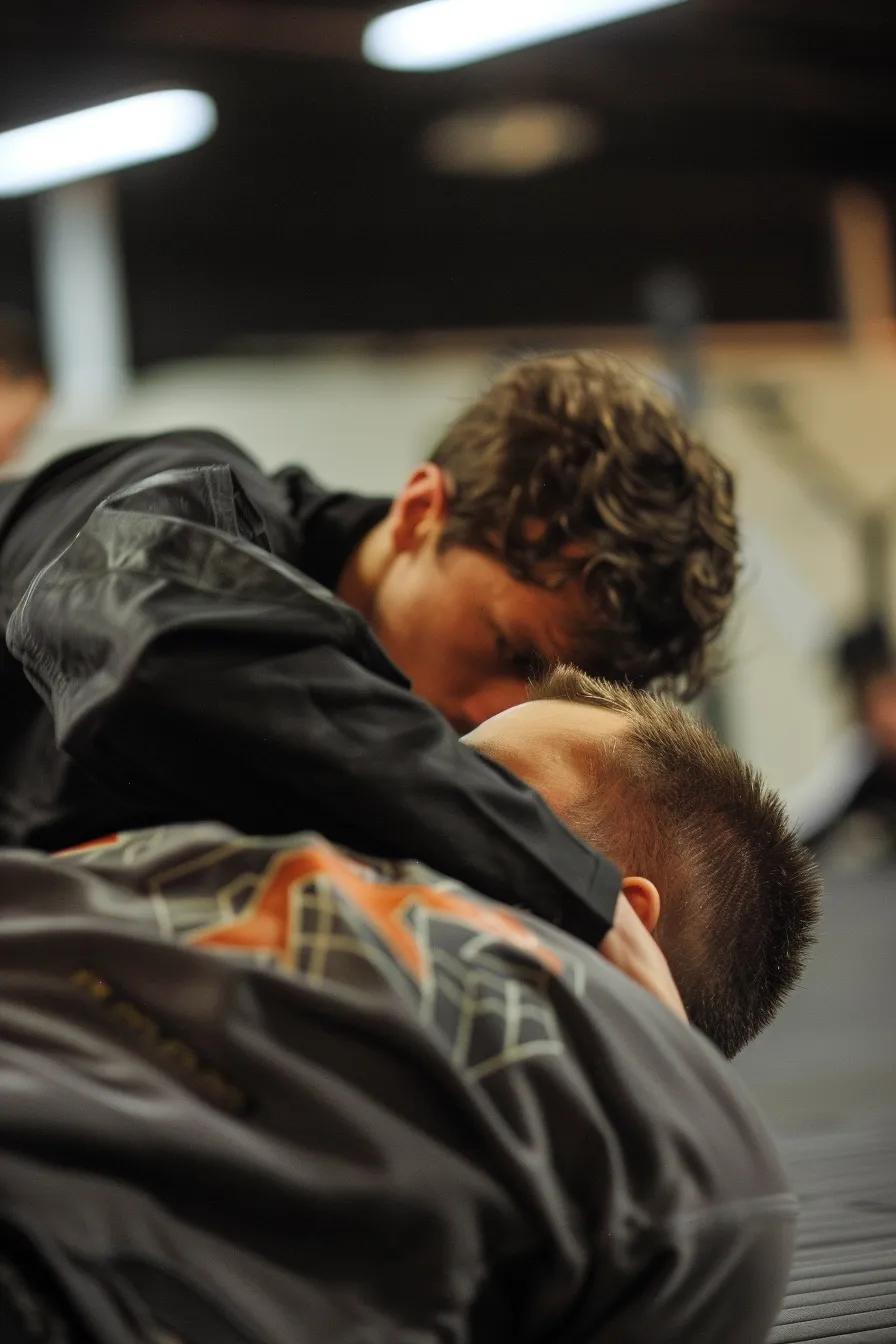
No-Gi Jiu-Jitsu in Northglenn | Beginner Guide & First Class Expectations
No-Gi Jiu-Jitsu in Northglenn: What to Expect at Your First Class for Beginners

No-Gi Jiu-Jitsu is a grappling discipline of Brazilian Jiu-Jitsu practiced without the traditional gi, focusing on body control, positional escapes, and submission setups using grips on the skin or clothing. This guide explains what to expect at your first no-gi class in Northglenn, how sessions are structured, what to wear, and the practical benefits beginners gain from consistent training. New students often worry about safety, etiquette, and whether they'll keep up; clear expectations and small, progressive steps make the transition straightforward and confidence-building. You will learn the typical class flow, essential gear and hygiene practices, basic etiquette to keep yourself and training partners safe, and the fitness and self-defense advantages of starting no-gi Jiu-Jitsu. The article also outlines how classes are run at a local gym and the steps to join a beginner session in Northglenn, helping you feel prepared and ready to train. Read on for a step-by-step walkthrough, packing checklists, short drills you’ll encounter, and practical tips to make your first no-gi class a positive experience.
What Happens During Your First No-Gi Jiu-Jitsu Class in Northglenn?
A first no-gi Jiu-Jitsu class typically follows a predictable flow: warm-up, technique demonstration, partnered drilling, light sparring (rolling), and cool-down, each stage serving a clear learning and safety purpose. Warm-ups prepare joints and raise heart rate to reduce injury risk, while technique instruction introduces foundational positions and escapes that form the core of beginner curriculum. Drilling reinforces motor patterns through repetitive, low-intensity practice, and controlled live rolling allows students to apply techniques under supervision. This staged progression helps beginners internalize mechanics before increasing intensity, and instructors modulate partner pairings to match experience levels. Understanding this overall structure reduces anxiety and clarifies what to expect during your first session, which leads directly into how warm-ups and conditioning are typically structured in class.
How Are Warm-Ups and Conditioning Structured in a Beginner No-Gi Class?

Warm-ups in no-gi classes prioritize mobility, core activation, and sport-specific movement patterns to prepare the body for grappling demands. Common drills include dynamic hip escapes, shrimping, bear crawls, technical stand-ups, and partner-assisted movement exercises that mimic positional transitions; these drills improve range of motion and neuromuscular coordination. Conditioning elements are often integrated as short intervals—bodyweight circuits or timed grappling-specific movements—to build anaerobic capacity and grip endurance without overwhelming newcomers. Instructors typically scale intensity for beginners by shortening interval duration and emphasizing controlled technique over speed, ensuring safe progression. Effective warm-ups reduce injury risk and prime students for the following technical segment, where foundational grips and escapes are introduced.
What Techniques and Drills Will You Learn as a New No-Gi Student?
Beginner no-gi classes concentrate on positional fundamentals and escapes that translate to both sport and self-defense, such as guard retention, mount escapes, side control escapes, basic sweeps, and knee-on-belly transitions. Drills commonly use repetition and role-switching: one partner performs the technique while the other provides predictable resistance, then partners switch roles to reinforce both offense and defense. Technique instruction focuses on mechanical details—frames, angles, weight distribution—and coaches cue small corrections repeatedly so students can internalize movement patterns. Short, confined sparring (positional sparring) is often used to practice applying a single technique under low intensity before full rolling, which helps bridge drilling to real-time application. These early skills form the building blocks for future progression and connect directly to choices about what to wear and bring to class.
What Should You Wear and Bring to Your First No-Gi Jiu-Jitsu Class?
For beginning no-gi students, attire and basic supplies support performance, hygiene, and mat etiquette. A snug, moisture-wicking top—typically a rash guard or tight athletic shirt—reduces friction and protects skin, while grappling shorts or spats provide mobility without loose fabric that can catch during movement. Essential items to bring include a filled water bottle, a clean towel, and a mouthguard if you prefer extra protection; maintaining trimmed nails and freshly washed training clothes is critical to reduce skin infections and respect training partners. Packing these items and wearing appropriate attire helps you focus on learning rather than managing gear problems, and the following table compares common no-gi gear to guide purchase decisions.
Different no-gi items serve distinct practical roles and hygiene considerations for new students.
Rash guard(Tight, moisture-wicking fabric)
Reduces mat burn and skin contact; choose seam-reinforced options
Grappling shorts(Durable, non-slip waistbands, no pockets)
Avoid loose board shorts; look for reinforced seams and freedom of movement
Spats/leggings(Compression fit, full leg protection)
Useful for cold months or extra skin coverage; wash after each session
Keeping gear minimal, clean, and functional reduces distractions and supports a safe training environment. Next, understand specific gear recommendations for beginners in Northglenn.
Which No-Gi Jiu-Jitsu Gear Is Recommended for Beginners in Northglenn?

Beginner gear choices balance comfort, durability, and cost to give you reliable equipment without overspending. Start with a mid-range rash guard that fits snugly and wicks moisture; such a top protects skin and provides a good surface for grips, while mid-weight grappling shorts offer durability and mobility without pockets or loose fabric. Spats are optional but useful for added skin coverage and warmth; select a pair with flat seams to avoid chafing. Purchase decisions should prioritize washability and reinforced stitching to withstand frequent laundering, and trying different fits in store or at home helps determine what feels secure during hip escapes and scrambles. Choosing appropriate gear supports hygienic practices and smooth mat interactions, which leads into the hygiene checklist you should follow before and after class.
How to Prepare and Maintain Hygiene for Your No-Gi Training Sessions?
Proper hygiene protects you and your training partners from skin infections and keeps the gym environment healthy, starting with pre-class preparation and continuing through post-class care. Before training, ensure nails are trimmed, any cuts are covered or healed, and clothing is freshly laundered; avoid applying heavy lotions before class that can transfer to partners. After training, shower promptly, wash training clothes separately in hot water if possible, and inspect skin regularly for unusual marks or rashes—report concerns to an instructor and sit out if an active skin infection is suspected. Gyms commonly enforce hygiene standards such as mandated showers and immediate gear washing to minimize risk; following these steps demonstrates respect and reduces interruptions to learning. Clean habits on the mat naturally connect to expected behavior and etiquette, which is the next essential topic.
What Are the Essential Etiquette Rules for No-Gi Jiu-Jitsu Beginners?
Etiquette in no-gi Jiu-Jitsu centers on respect, clear communication, and prioritizing safety so all students can learn and train productively. Respectful behavior includes following instructor directions promptly, acknowledging higher-ranking practitioners, and arriving on time to warm-up and avoid disrupting instruction. Communication with partners—asking about intensity level, verbalizing taps, and agreeing on drilling specifics—reduces misunderstandings and prevents avoidable injuries. Prioritizing safety means tapping early to submissions, keeping control in mind during transitions, and promptly reporting any injuries or skin concerns to an instructor. Observing these rules creates a cooperative learning environment and prepares you for specifics on showing respect and communicating during class.
How Should You Show Respect and Communicate During Class?
Clear, concise communication helps partners train effectively and keeps sessions focused on learning rather than conflict, and polite phrasing makes adjustments seamless. Simple phrases like, “Light, please,” or “Can we work flow drilling?” let partners know preferred intensity while still being cooperative; offering brief constructive feedback after rolling—“Try keeping your elbow tight”—is appreciated when phrased kindly. Follow instructor guidance about partner rotation and always thank a partner after drilling or sparring; these small gestures build a supportive training culture. If a conflict arises, escalate concerns privately to the coach rather than addressing them on the mat, which maintains class flow and safety. Good communication and respect tie directly into hygiene expectations observed during training, which are covered next.
What Hygiene Practices Are Expected in No-Gi Jiu-Jitsu Classes?
In-class hygiene rules are practical steps enforced to prevent contamination and maintain mat cleanliness during sessions. Expect requirements such as no open wounds on the mats, tied-back hair, and no training with active rashes; instructors may ask students to sit out until cleared to protect the group. Trainers often check athletes for visible skin infections and instruct anyone with questionable lesions to seek medical clearance before resuming contact training. Maintaining dry feet, using a clean towel during breaks, and wiping down mat areas when needed are additional common practices that preserve a hygienic environment. These in-class norms protect everyone and support the physical benefits of training, which are explored in the next section.
What Are the Key Benefits of Starting No-Gi Jiu-Jitsu in Northglenn?
No-gi Jiu-Jitsu delivers a combination of cardiovascular conditioning, strength development, practical self-defense skills, and psychological benefits such as increased confidence and stress reduction. Grappling workouts produce interval-style exertion that boosts aerobic and anaerobic capacity while positional resistance training improves functional strength and joint stability. Applying controlled techniques during drills and rolling develops problem-solving under pressure and situational awareness, which transfers to real-world self-defense contexts. Training in a community environment also fosters social support and accountability—elements that compound the physical gains and help maintain consistent participation. Understanding these benefits clarifies realistic expectations for fitness improvements and introduces the physiological mechanisms behind them.
Different benefits of no-gi training map to clear mechanisms and realistic outcomes for beginners starting a regular practice.
Cardiovascular fitness(Interval-style rolling and conditioning)
Improved VO₂ and recovery between efforts within 4–8 weeks
Strength & endurance(Positional resistance and bodyweight control)
Increased muscular endurance and functional strength
Self-defense skills(Technique-driven control and escape mechanics)
Better situational control and safer resolutions to altercations
Mental resilience(Repeated problem-solving under stress)
Greater confidence and stress-management skills
These mapped outcomes help set realistic timelines and goals for beginners, and the next paragraphs discuss how grappling specifically improves fitness and cardiovascular health.
How Does No-Gi Jiu-Jitsu Improve Fitness and Cardiovascular Health?
No-gi grappling resembles high-intensity interval training through repeated bursts of effort followed by short recovery periods, which enhances both aerobic capacity and anaerobic tolerance. Positional sparring and drilling demand isometric control, explosive transitions, and sustained grip endurance, translating into improved muscular endurance and functional strength without traditional weightlifting. Over weeks of consistent practice, beginners typically notice better recovery between efforts, increased respiratory efficiency, and a higher baseline of daily energy. Coaches often recommend combining technical sessions with light supplemental conditioning for faster gains, but the sport-specific demands alone deliver significant cardiovascular improvements. These physiological changes underpin mental benefits and practical self-defense advantages, which follow next.
What Mental and Self-Defense Advantages Can Beginners Expect?
Training no-gi fosters mental resilience through repeated exposure to challenging, unpredictable situations where quick problem-solving and composure are required. Successive small wins—landing an escape or surviving a round without panicking—build measurable confidence that transfers to daily life and reduces anxiety in high-pressure scenarios. From a self-defense standpoint, no-gi techniques emphasize body control, positional dominance, and efficient escapes that remain practical without reliance on clothing grips. Practicing controlled scenarios with partners improves situational awareness and decision-making under duress, making technique application more reliable in real-world contexts. These cognitive and practical gains motivate continued training and lead naturally into understanding how local classes implement safe, progressive sparring policies.
How Is a Typical No-Gi Jiu-Jitsu Class Structured at Grinders Fitness in Northglenn?
At Grinders Fitness, a typical beginner no-gi class follows the standard progressive flow—warm-up, technique, drilling, controlled rolling, and cool-down—while instructors emphasize safety, clear cues, and scalable intensity for newcomers. Coaches demonstrate techniques with attention to mechanical detail, then supervise partner drills closely to ensure correct repetitions and to correct common errors; assistant instructors often circulate to offer individualized feedback. Sparring is introduced gradually through positional drills and light rolling with matched partners, allowing beginners to apply techniques at a manageable pace under coach oversight. The gym environment aims to blend technical instruction with conditioning in a supportive community setting, and newcomers are encouraged to ask questions during the brief post-class Q&A. If you want to try a beginner class at Grinders Fitness, the staff typically welcomes first-timers and can guide you through the onboarding process to find an appropriate session.
What Is the Role of Sparring in Beginner Classes?
Sparring, or rolling, serves as the practical application phase where students test techniques in dynamic, live situations and learn to adapt under resistance. In beginner classes, sparring is controlled: coaches set objectives (e.g., maintain top control for 1 minute) and limit intensity to emphasize technique over strength, protecting safety while building experience. Intensity is moderated by pairing novices together or prescribing flow drills that alternate who is in dominant positions, which facilitates learning without overwhelming new grapplers. Coaches intervene to stop unsafe rolling and to offer corrective guidance immediately after a round, ensuring practice remains productive and injury risk is minimized. Introducing sparring this way cements technique learning and naturally leads to the class wrap-up and recommended post-class steps.
How Does the Class Wrap Up and What Should Beginners Expect Afterwards?
Classes typically end with a cool-down that includes gentle stretching, breathing work, and a short recap of the day’s technical points to reinforce learning and aid recovery. Instructors often provide a minute for Q&A where beginners can ask about adjustments, drilling strategies, or recommended drills to practice at home; this time is valuable for clarifying details and setting goals. After class, students are encouraged to hydrate, wash training gear promptly, and reflect on one or two small technical takeaways to practice before the next session. Coaches may suggest specific drills or positional repetitions as homework to accelerate progress, and new students are usually guided toward the next suitable class level for steady advancement. Clear post-class routines help maintain momentum and connect directly with how to join and what trial options exist for new students in Northglenn.
How Can You Join and What Are the Schedule and Pricing Options for No-Gi Classes?
Joining a beginner no-gi class in Northglenn typically involves a short sign-up or registration form, attending an introductory session or trial class, and choosing between drop-in, trial, or membership options based on how often you plan to train. Many gyms offer a single trial class or discounted first month to let newcomers experience the environment and coaching style before committing; this trial often mirrors a regular class with full access to instruction and rolling. Standard pricing frameworks include single drop-in rates for occasional visitors, monthly memberships for regular training, and introductory trials for first-time students; each option balances cost, commitment, and access level. For best results, choose an option that matches your near-term goals—casual exposure, committed training, or frequent classes—and confirm live schedules directly with the gym to pick sessions that fit your routine. Below is a comparison table that helps you weigh typical options.
Intro paragraph: This table compares common joining options so you can match commitment level and cost to your training goals.
Trial class(Low or free short-term access)
New students testing the gym and class format
Drop-in(Single-session fee, no commitment)
Travelers or occasional attendees
Monthly membership(Recurring fee, unlimited or set classes)
Regular trainees seeking progression
Selecting the right option helps you maintain consistency and progress safely, and the next list summarizes step-by-step actions to join a class as a beginner.
Sign up: Complete a short registration or waiver before your first class to confirm attendance and safety acknowledgment.
Attend a trial: Experience a full beginner session to assess coaching style and class culture.
Choose a plan: Decide between drop-in, trial package, or monthly membership based on your training goals.
Prepare gear: Bring a clean rash guard, grappling shorts or spats, water, and a towel to your trial.
What Trial Class Opportunities Are Available for New Students in Northglenn?
Trial classes give prospective members a low-risk opportunity to experience instruction, class pace, and community dynamics before committing to a longer membership. A trial session usually lasts the same duration as a regular class and includes warm-ups, a technical segment, supervised drills, and light rolling so newcomers get a true sense of the format and intensity. Expect to complete basic registration paperwork and to receive instructor guidance on partner etiquette, scaling intensity, and recommended next steps based on performance during the trial. Use the trial to ask about class progression and to identify which sessions align with your goals—technical learning, conditioning, or self-defense. After a trial, you can make an informed choice about membership type and frequency that supports steady improvement.
No-Gi Jiu-Jitsu vs. Gi Jiu-Jitsu: A Comparative Analysis Jiu-Jitsu World Championships. One purpose of the study is also to compare findings between gi and no-gi Brazilian jiu-jitsu. Victories via points and advantages are more common in gi. Match analysis on no-gi Brazilian jiu-jitsu, 2017
Where and When Are No-Gi Classes Held at Grinders Fitness?
Specific class days and times vary and are updated by local gyms to reflect instructor availability and seasonal demand; for current schedules, consult the gym’s posted timetable or contact staff directly during business hours. Typical class patterns for beginner no-gi sessions often include multiple weekly evening classes and occasional morning options to accommodate work schedules and lifestyle needs. When planning, aim to attend at least two sessions per week to reinforce motor learning and conditioning gains, and check for special open mats or beginner-only seminars that accelerate skill acquisition. For discoverability and organization, gyms are encouraged to publish class instances using structured event markup so prospective students can view up-to-date schedules easily; confirming live availability before attending ensures the best first-class experience.
Confirm schedule: Check the gym’s current timetable to pick sessions that fit your routine.
Reserve a spot: Some classes have capacity limits—reserve in advance when possible.
Arrive early: Get time for registration and a focused warm-up.
Following these steps reduces friction and helps you maintain consistent attendance, which is essential for steady improvement in no-gi Jiu-Jitsu.
Frequently Asked Questions
What is the difference between no-gi and gi Jiu-Jitsu?
No-gi Jiu-Jitsu is practiced without the traditional gi, focusing on body control and techniques that rely on grips on the skin or athletic wear. In contrast, gi Jiu-Jitsu involves wearing a kimono, which allows for different grips and techniques. The absence of the gi in no-gi training often leads to a faster-paced style, emphasizing speed and agility. Both forms share foundational techniques, but the choice between them may depend on personal preference, training goals, and the specific self-defense applications one seeks to develop.
How can beginners ensure they are safe during training?
Safety in no-gi Jiu-Jitsu begins with proper etiquette and communication. Beginners should always tap out when caught in a submission to prevent injury and communicate with their training partners about intensity levels. It's also essential to follow instructor guidelines, maintain personal hygiene, and ensure that any injuries are reported immediately. Wearing appropriate gear, such as a rash guard and grappling shorts, can also help minimize the risk of skin infections and injuries during training sessions.
What should I do if I feel overwhelmed during my first class?
Feeling overwhelmed is common for beginners in no-gi Jiu-Jitsu. If this happens, it's important to communicate with your instructor or training partners. They can provide guidance and support to help you adjust your pace. Focus on mastering a few basic techniques rather than trying to learn everything at once. Remember, everyone was a beginner at some point, and taking small steps will build your confidence and skills over time. Don't hesitate to ask questions or seek clarification during class.
Are there any age restrictions for joining no-gi classes?
Most no-gi Jiu-Jitsu classes welcome students of all ages, but specific age restrictions may vary by gym. Many facilities offer classes tailored for children, teens, and adults, ensuring that training is age-appropriate and safe. It's advisable to check with the gym regarding their age policies and any specific programs they may have for younger practitioners. Engaging in Jiu-Jitsu can be beneficial for individuals of all ages, promoting fitness, discipline, and self-defense skills.
How often should beginners train to see progress?
For beginners, training two to three times a week is generally recommended to see consistent progress in no-gi Jiu-Jitsu. Regular attendance helps reinforce learned techniques, improve physical conditioning, and build muscle memory. Additionally, training consistently allows for better integration of skills and techniques into sparring sessions. However, it's essential to listen to your body and avoid overtraining, especially when starting. Balancing training with rest and recovery will enhance your overall experience and development in the sport.
What are some common mistakes beginners make in no-gi Jiu-Jitsu?
Common mistakes among beginners in no-gi Jiu-Jitsu include neglecting proper hygiene, using excessive strength instead of technique, and failing to communicate with training partners. Beginners may also struggle with maintaining a relaxed mindset during sparring, leading to unnecessary tension and fatigue. It's crucial to focus on learning the fundamentals, practicing good hygiene, and developing effective communication skills with partners. Over time, these practices will help create a more enjoyable and productive training environment.
Conclusion
Starting your journey in no-gi Jiu-Jitsu offers numerous benefits, including improved fitness, self-defense skills, and enhanced mental resilience. By understanding class structures, etiquette, and hygiene practices, you can confidently engage in a supportive training environment. Embrace the opportunity to learn and grow by attending a trial class at Grinders Fitness in Northglenn. Take the first step towards your no-gi journey today and discover the transformative power of grappling.
