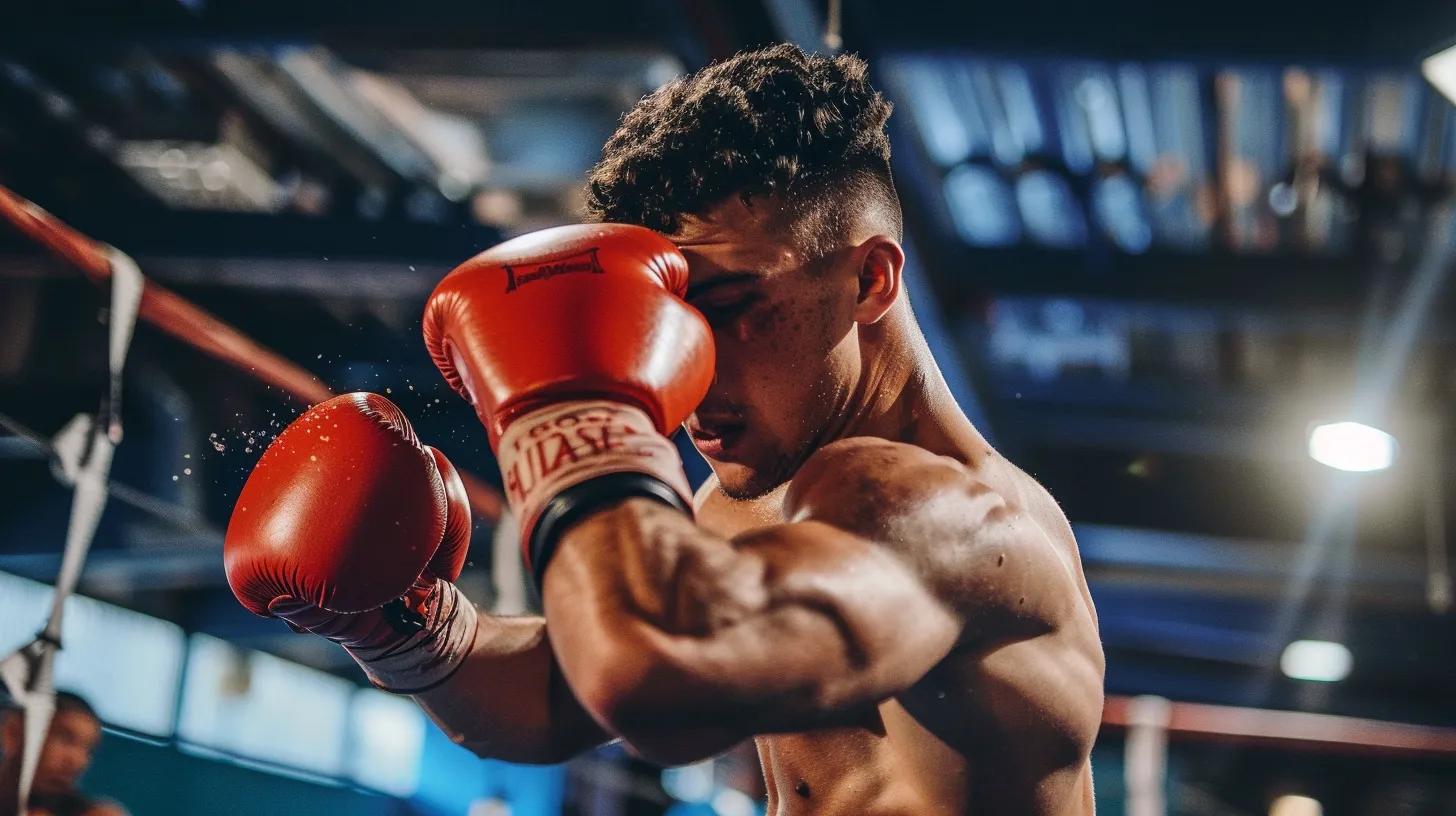
Adult Boxing Classes in Northglenn | Build Technique, Strength & Confidence
Master Boxing, Build Confidence
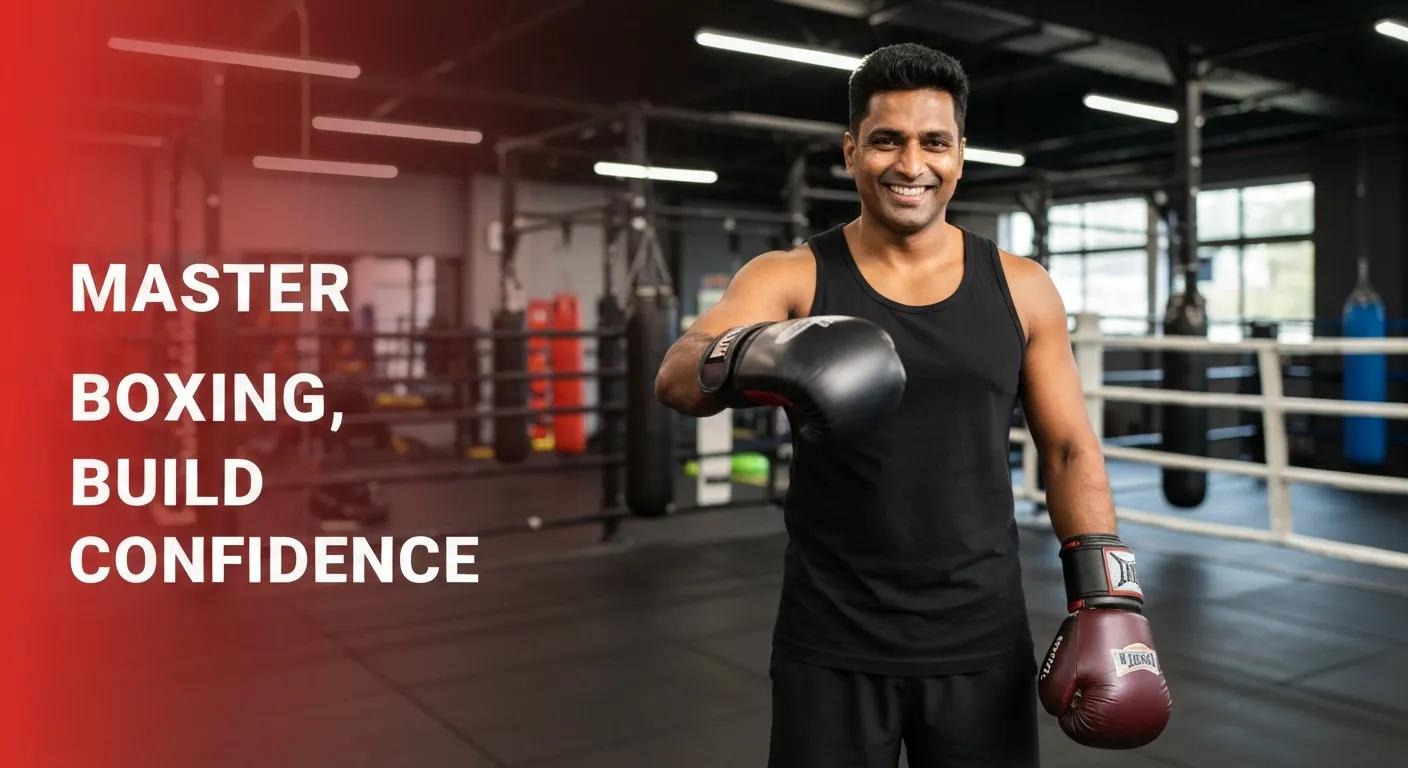

Boxingclasses for adults in Northglenn combine technical skill development, sport-specific conditioning, and practical confidence-building to deliver measurable fitness and mental-health outcomes. In this article, you will learn how boxingclasses teach core techniques like stance and punches, which conditioning workouts improve stamina and power, and how structured training translates into greater confidence and reduced stress. Many adults seek effective, time-efficient exercise that also teaches transferable self-defense skills; adult boxingclasses meet that need through progressive coaching and repeatable drills. The sections that follow map the key benefits, the teaching methods used to instill essential boxing technique, the conditioning workouts commonly included, and the psychological mechanisms that make boxing a powerful stress-management tool. Practical guidance covers what to expect in a beginner class at Grinders Fitness Gym and how coaches support adult learners on technique, conditioning, and confidence. Throughout, search-focused phrases such as boxingclasses Northglenn and adult boxingclasses Northglenn are used to keep the content locally relevant and action-oriented.
What Are the Key Benefits of Adult BoxingClasses in Northglenn?
Adult boxingclasses deliver a blend of physical conditioning, technical skill acquisition, and social support that together produce cardiovascular improvement, muscular endurance, and increased self-efficacy. These programs rely on high-intensity intervals, repeated motor-skill practice, and partner-based feedback to improve VO2 capacity, punch economy, and situational confidence, which makes boxing an efficient way for adults to get stronger and more resilient. The local group environment also fosters accountability and camaraderie, helping learners sustain consistent practice and measurable progress. Understanding these benefits sets the stage for how classes are structured to produce specific fitness and psychological outcomes.
Boxing produces distinct categories of benefit that adult participants can expect, summarized below.
Physical conditioning: Boxingtraining increases cardiovascular capacity, muscular endurance, and coordination through sport-specific drills.
Technical skill: Repetitive practice of stance, punches, and footwork builds efficient movement patterns and safer technique.
Mental health: Structured exertion and skill mastery reduce stress and improve focus through routine and measurable progress.
Social support: Group coaching and partner drills create community accountability and mutual encouragement.
These benefits combine to form a practical pathway from beginner competence to sustained fitness and confidence, and the next section explains how boxing achieves measurable physical improvements through specific drills.
Stamina (Physical)
Improved aerobic capacity and interval endurance
Punching economy (Technical)
Better punch sequencing and reduced wasted motion
Stress regulation (Mental)
Faster mood recovery and improved emotional control
Social connectedness (Social)
Higher class adherence and motivation
This comparison shows how boxingtraining produces multi-dimensional gains by linking exercise modality to real-world outcomes. Next, we will examine the specific mechanisms through which boxing boosts physical fitness and conditioning for adults.
How Does Boxing Improve Physical Fitness and Conditioning for Adults?
Boxing improves fitness by combining high-intensity interval work with sport-specific motor patterns, which increases cardiovascular efficiency and muscular endurance simultaneously. Interval rounds on the heavy bag, jump-rope sets, and short sprint work drive up VO2 and anaerobic threshold, while repeated punching sequences condition shoulder endurance and core stability. The movement patterns used in shadowboxing and pad work reinforce neuromuscular timing, which translates to more efficient calorie expenditure and better movement economy in other activities. Progressive overload and periodized conditioning ensure adaptations continue over weeks, and consistent classes provide the repetition necessary to turn acute exertion into lasting fitness gains.
These physiological improvements naturally lead to clearer psychological benefits, so the next subsection explores how practicing boxing builds confidence and mental toughness for adult learners.
In What Ways Does Boxing Build Confidence and Mental Toughness?
Boxing builds confidence through repeated measurable progress: mastering basic combinations, improving stamina, and handling partner drills all increase self-efficacy in predictable steps. The sport gives adults a physical outlet for stress through focused exertion, and the cognitive demands of timing and strategy sharpen concentration and emotional regulation. Small, achievable goals—such as landing a clean combination or completing a full bag round—accumulate into visible milestones that reinforce competence and reduce performance anxiety. Group classes add social reinforcement, with coaches and peers providing feedback and encouragement, which accelerates confidence gains and helps adults translate training-room progress into everyday self-assurance.
This psychological momentum links directly to hands-on teaching methods, which the next H2 outlines in detail.
How Do Adult BoxingClasses Teach Essential Boxing Techniques in Northglenn?

Adult boxingclasses rely on progressive layering of skills—starting with stance and balance, adding primary punches, and moving to combinations and defensive responses—so learners develop reliable patterns under increasing pressure. Teaching methods commonly include demonstration, guided shadowboxing, controlled pad work, and partner drills that emphasize safe progression and immediate corrective feedback. Coaches break complex movements into discrete pieces, use repetition to build automaticity, and scale intensity according to fitness level so adults can train effectively without unsafe overload. This structured progression ensures that technical mastery and conditioning develop in parallel, making skills durable and transferable outside class.
Below are the foundational techniques that form the backbone of any adult-focused boxing curriculum.
Stance and balance: A stable stance provides the base for power generation and defensive mobility.
Jab and cross: The basic lead and rear punches establish offense, range, and tempo control.
Hook and uppercut: Close-range power punches that complete the core offensive repertoire.
Footwork and guard: Movement and defensive positioning that protect and create angles.
These basics are taught in stepwise drills that build toward fluid combinations and adaptable defense, and the next subsection defines each foundational element in practical terms.
What Are the Foundational Boxing Techniques Every Adult Should Learn?
Foundational techniques include stance, footwork, the jab, cross, hook, uppercut, and a consistent guard; each element has a clear purpose and common errors to watch. Stance provides balance and mobility, with weight distribution enabling quick steps; common errors include leaning forward or crossing the feet. The jab → controls → distance is a semantic triple describing how the jab establishes range and tempo, while the cross → generates → rear-hand power by rotating hips and shoulders. Hooks and uppercuts supply compact power at close range, and a tight guard reduces head exposure. Practice drills such as shadowboxing with slow technique focus, partner pad work, and repetition of simple two-punch combos turn these concepts into reliable motor patterns.
Learning these basics prepares students for more advanced footwork and defensive strategies that increase effectiveness and safety in training and real situations.
How Can Advanced Footwork and Defensive Skills Enhance Your Boxing?
Advanced footwork and defense expand tactical options by improving angle creation, distance control, and injury prevention; they shift boxing from raw power to efficient strategy. Skills like pivots, lateral steps, slips, rolls, and parries allow a boxer to create openings while minimizing incoming exposure, and pairing footwork with counters turns defense into offense. Progressive drills—such as movement-only shadowboxing, partner-controlled evasion drills, and reactive pad sequences—train coordination and timing under realistic constraints. As footwork improves, punch accuracy and power selection become more effective because the body positions itself optimally for each strike. The next section will connect these technical elements to the conditioning work that sustains them.
What Conditioning Workouts Are Included in Northglenn Adult BoxingTraining?

Conditioning for boxing targets three core capacities: cardiovascular stamina, explosive power, and agility/mobility; sessions interleave intervals, resistance work, and skill-based conditioning to produce sport-ready fitness. Classes typically rotate through rounds of jump rope, shadowboxing intervals, heavy-bag work, plyometrics, and medicine-ball power sets to develop both aerobic base and anaerobic burst capacity. Mobility and recovery segments—dynamic stretches and active rest—support joint health and allow consistent training frequency. This multi-modal approach ensures adults develop the physical reserves required for repeated technical practice and controlled sparring, and the next subsection lists specific exercises that build stamina and power.
Below are practical exercises commonly used in boxing conditioning sessions and why they matter.
Interval sprints and treadmill repeats: Increase anaerobic capacity and recovery between rounds.
Jump rope sets: Improve foot speed, coordination, and aerobic conditioning.
Medicine-ball slams and throws: Train rotational power and explosive core strength.
Heavy-bag power rounds: Combine endurance with punch-specific force development.
These components are mixed into class circuits and weekly plans to progressively raise performance; the following table links conditioning components to concrete exercises.
Cardio (Interval capacity)
Jump rope intervals; short sprints
Strength/Power (Explosive output)
Medicine-ball slams; plyometric box jumps
Skill-Endurance (Punch repetition)
Heavy-bag rounds; continuous mitt work
This mapping clarifies how each conditioning component supports boxing-specific performance, and the next subsection discusses how nutrition and recovery enable those adaptations.
Which Cardio and Strength Exercises Boost Boxing Stamina and Power?
Exercises that blend interval intensity with sport specificity produce the largest gains in boxing performance, particularly jump rope, hill or sprint intervals, heavy-bag rounds, and explosive medicine-ball work. Interval sprints improve the ability to recover quickly between high-intensity exchanges, while jump rope improves rhythm, ankle stiffness, and foot turnover essential for clean combinations. Heavy-bag rounds mimic the metabolic and technical demands of a fight, training pacing and punch endurance, and medicine-ball slams or rotational throws develop the core power that transfers to punch force. A simple weekly mix might include two interval sessions, two skill-focused bag/pad sessions, and one strength/power day, which balances adaptation and recovery.
Proper nutrition and recovery multiply the benefits of these workouts by enabling repair and adaptation, which is the topic of the next subsection.
How Does Proper Nutrition and Recovery Support Boxing Conditioning?
Nutrition and recovery are the foundation that allows repeated high-quality training sessions; adequate carbohydrates fuel high-intensity work, and sufficient protein supports muscle repair and adaptation. Hydration, electrolyte balance, and nutrient timing—carbohydrates around workouts and protein in recovery—help maintain performance and reduce injury risk. Sleep and active recovery days are non-negotiable for consolidation of strength and neuromuscular gains, while mobility work and foam rolling speed tissue recovery and preserve range of motion. Simple, evidence-aligned habits such as consistent sleep schedules, balanced meals, and planned rest days ensure conditioning sessions produce durable improvements rather than fatigue accumulation.
Understanding recovery principles helps learners maintain training consistency, which also supports psychological benefits explored next.
How Does Boxing Build Confidence and Reduce Stress for Adults in Northglenn?
Boxing reduces stress and increases confidence by providing structured physical exertion, goal-oriented skill progression, and situational mastery that transfer to everyday challenges. The immediate mood improvements following exercise stem from endorphin release and focused motor tasks that interrupt rumination, while incremental skill acquisition produces longer-term gains in self-efficacy. Group dynamics and coach feedback reinforce progress and normalize the learning curve, making setbacks part of a measurable process rather than a personal failure. Appreciating these mechanisms makes it easier to use boxing as a consistent tool for stress management and confidence building.
To demonstrate the mental benefits more concretely, the next subsection details how boxing serves as an effective stress-relief practice for adults.
What Mental Benefits Does Boxing Offer for Adult Stress Relief?
Boxing offers immediate and cumulative mental-health benefits: brief, intense sessions provide cathartic release and short-term mood elevation, while skill practice and routine build resilience and focus over time. Focused drills occupy attention and reduce worry through state-dependent concentration, and achieving training milestones strengthens belief in one’s ability to improve. The social support of a training group buffers stress by providing encouragement and perspective, which helps adults sustain a health-promoting routine. Practical tips—use classes as a scheduled stress-management practice, set small measurable goals, and track progress—turn episodic training into lasting mental-health benefits.
These psychological outcomes also relate to real-world safety and perceived competence, which the following subsection explores.
How Can Self-Defense Skills from Boxing Increase Adult Self-Esteem?
Basic boxing skills improve situational awareness and physical competence in ways that are practically useful for adults outside the gym, creating a sense of safety and readiness. Learning to maintain stance, manage distance, and throw controlled defensive counters increases perceived bodily autonomy, and simple scenario drills that rehearse avoidance and escape tactics build transferable confidence. Repeated practice of predictable, repeatable movements lowers fear responses and provides clear options in threatening encounters, which contributes to higher self-esteem. Incorporating situational awareness drills alongside technical training helps adults convert physical ability into real-world confidence.
With these benefits in mind, the next H2 explains what newcomers should expect in a beginner boxingclass at Grinders Fitness Gym and how to get started.
What Should Adults Expect in a Beginner BoxingClass at Grinders Fitness Gym?
Beginner adult boxingclasses prioritize safety, technique-first progression, and scalable intensity so new students build fundamentals without unnecessary risk. Typical class flow begins with a dynamic warm-up and mobility sequence, moves into technical instruction (stance, basic punches, footwork), progresses to partner drills or pad work at controlled pace, and ends with conditioning rounds and cooldown. Coaches emphasize corrective feedback, controlled contact, and the use of basic protective equipment during partner exercises to limit injury. Students should expect clear cues, repeatable drills, and modified options so adults with differing fitness levels can participate and progress.
Below is a step-by-step outline of a typical beginner class to set expectations for new attendees.
Warm-up and mobility: Dynamic stretches and light cardio to prepare joints and heart rate.
Fundamentals block: Demonstration and shadowboxing to ingrain stance and basic punches.
Partner/pad drills: Controlled mitt work to apply technique with immediate feedback.
Conditioning and cooldown: Short high-intensity intervals followed by stretching and hydration guidance.
These steps provide a predictable learning structure that builds confidence through repeated mastery, and the following paragraph gives practical safety practices used to protect beginners.
How Are Safety and Technique Prioritized in Beginner BoxingClasses?
Safety and technique are prioritized through coach-led progressions, mandatory warm-ups, protective equipment, and drills that separate learning from unsafe contact; instructors emphasize precision over power for new students. Classes use scaled partner exercises where contact is cooperative and strictly controlled, and coaches offer individualized cues that correct posture, guard position, and foot placement to prevent habitually unsafe movements. Mobility and prehab exercises are integrated to maintain joint health, and repetition under low fatigue is used to build technically sound patterns before increasing intensity. These safety-first practices reduce injury risk and accelerate long-term progress by ensuring habits are built correctly from the start.
Clear enrollment options and what to bring are outlined next to make the first visit straightforward for adults in Northglenn.
What Is the Typical Class Schedule and Enrollment Process in Northglenn?
Class formats typically include drop-in sessions, multi-week beginner courses, and progressive skill tracks that allow adults to choose frequency and commitment level based on goals and availability. Enrollment commonly requires registering for a trial or signing up for a course; first-time participants are advised to attend an introductory class that emphasizes fundamentals and safety. What to bring: comfortable athletic clothes, supportive shoes, a water bottle, and optionally, hand wraps and gloves if you already own them—coaches will advise on protective gear. For specific scheduling and sign-up, prospective students should consult Grinders Fitness Gym's online information or contact the gym directly to learn about current offerings and trial options.
Class Schedule and Enrollment (pragmatic box):
To enroll, look for introductory classes or trial sessions to assess fit.
Expect options for drop-in visits or multi-week beginner programs to build consistent practice.
Bring clothing for movement, hydration, and basic hand protection if available; coaches will guide gear needs.
This practical overview helps new students know what to expect when they arrive and how to begin training safely and confidently.
Who Are the Coaches Behind Adult BoxingClasses at Grinders Fitness Gym?
Coaches in adult boxingclasses function as technical instructors, conditioning programmers, and confidence builders; their role is to translate complex motor skills into teachable progressions while maintaining a safe training environment. Instructors typically focus on breaking down movement into clear cues, providing real-time corrective feedback during drills, and designing conditioning circuits that support technical goals. Coaches also set achievable milestones and encourage consistent attendance, which reinforces skill consolidation and psychological growth. Presenting coach roles this way clarifies how coaching directly links to the technique, conditioning, and confidence outcomes described earlier.
Below is a compact table presenting typical coach roles and how they contribute to class outcomes.
Lead Coach (Boxing coaching experience and technical focus)
Teaches core technique and class progressions
Conditioning Coach (Strength and conditioning knowledge for combat sports)
Designs interval and power sessions
Assistant Coach (Instructional support and corrective cues)
Provides one-on-one feedback during drills
This table highlights how complementary coaching roles work together to deliver balanced classes that prioritize skill development and safety, and the next subsection outlines expected coach qualifications and support methods.
What Expertise and Certifications Do Our Boxing Coaches Hold?
While specific credentials vary, effective boxing coaches commonly have hands-on experience in boxing instruction, formal training in coaching methods, and knowledge of conditioning principles relevant to combat sports. Coaches often maintain up-to-date first aid and athlete-safety practices and pursue continuing education in technique analysis and sport-specific conditioning. Their expertise shows up in structured lesson plans, progressive skill break-downs, and immediate corrective cues during pad work and partner drills. Knowing this helps adult learners evaluate coaching quality and choose programs that emphasize safety, technique, and performance.
Understanding coach qualifications leads naturally to how instructors support individual students during classes, which is described next.
How Do Coaches Support Adult Students in Technique, Conditioning, and Confidence?
Coaches support adults through individualized progressions, targeted conditioning modifications, and encouragement that frames setbacks as part of measurable improvement. They use observation-based feedback loops—demonstration, corrective cue, and drill repetition—to lock in technique while scaling intensity to match fitness and experience. Conditioning programs are adjusted with regressions or progressions so each participant develops appropriate stamina and power without excessive fatigue. Coaches also set short-term goals and celebrate milestones to build confidence, creating a learning environment where steady progress is visible and motivational.
This instructional support model ensures that adult students develop sustainable skill, fitness, and confidence gains across weeks of consistent training.
Frequently Asked Questions
What should I wear to my first boxingclass?
For your first boxingclass, it's essential to wear comfortable athletic clothing that allows for a full range of motion. Opt for moisture-wicking fabrics to keep you dry during intense workouts. Supportive athletic shoes are crucial for stability and movement. If you have them, bring hand wraps and boxing gloves, but if not, the gym can provide them for beginners. Always remember to stay hydrated, so bring a water bottle to keep yourself refreshed throughout the session.
Are boxingclasses suitable for all fitness levels?
Yes, boxingclasses are designed to accommodate all fitness levels, from complete beginners to advanced practitioners. Coaches at Grinders Fitness Gym tailor workouts to individual capabilities, ensuring that everyone can participate safely and effectively. The progressive nature of the training allows participants to build skills and fitness at their own pace, making it an inclusive environment. Whether you're looking to improve your fitness, learn self-defense, or just have fun, boxingclasses can meet your needs.
How often should I attend boxingclasses for optimal results?
For optimal results, attending boxingclasses 2 to 3 times a week is recommended. This frequency allows for consistent skill development, conditioning, and recovery. Regular attendance helps reinforce techniques and build endurance, while also providing the social support that enhances motivation. However, it's essential to listen to your body and incorporate rest days as needed to prevent overtraining. Balancing class attendance with proper nutrition and recovery will maximize your progress and enjoyment of the sport.
Can boxing help with weight loss and body composition?
Absolutely! Boxing is an excellent workout for weight loss and improving body composition. The high-intensity nature of boxingclasses combines cardiovascular exercise with strength training, leading to significant calorie burn. The sport also builds lean muscle mass, which can increase your resting metabolic rate. Additionally, the varied movements and drills keep workouts engaging, making it easier to stick to a fitness routine. When combined with a balanced diet, boxing can be a powerful tool for achieving weight loss goals.
What are the age requirements for adult boxingclasses?
Adult boxingclasses at Grinders Fitness Gym are typically open to individuals aged 18 and older. This age requirement ensures that participants are physically and mentally prepared for the demands of the training. However, some gyms may offer classes for younger teens with parental consent. It's best to check with the gym for specific age policies and any available youth programs. Regardless of age, the focus remains on safety, technique, and personal growth in a supportive environment.
How can I track my progress in boxingclasses?
Tracking your progress in boxingclasses can be done through various methods. Many gyms provide performance assessments, where coaches evaluate your skills and fitness levels periodically. You can also set personal goals, such as mastering specific techniques or improving your endurance. Keeping a training journal to note your achievements, challenges, and feelings after each class can help you stay motivated. Additionally, participating in sparring sessions or competitions can provide tangible benchmarks for your growth in the sport.
What should I do if I have a previous injury or health concern?
If you have a previous injury or health concern, it's crucial to consult with a healthcare professional before starting boxingclasses. Inform the coaches at Grinders Fitness Gym about your condition, as they can modify exercises and provide alternative drills to accommodate your needs. Coaches are trained to prioritize safety and can help you participate in a way that minimizes risk while still allowing you to enjoy the benefits of boxing. Always listen to your body and communicate any discomfort during training.
Conclusion
Participating in adult boxingclasses in Northglenn offers a unique blend of physical conditioning, technical skill development, and mental resilience that empowers individuals to achieve their fitness goals. The structured environment fosters community support, enhancing motivation and accountability while building confidence through measurable progress. By engaging in this dynamic training, adults not only improve their physical health but also gain valuable self-defense skills that translate into everyday life. Discover the transformative benefits of boxing by joining a class at Grinders Fitness Gym today.
